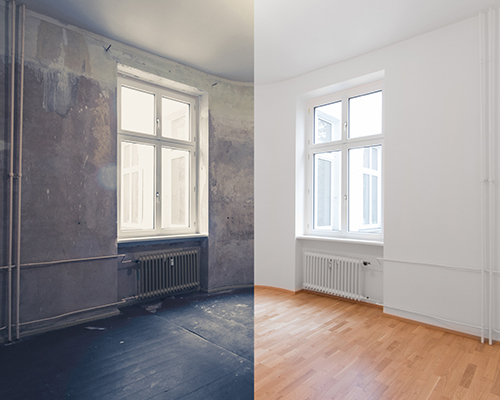
Throughout history, the grandeur of monarchy has typically been connected to the luxury of their regalia and the elaborate craftsmanship that is required for their preservation. Royal restoration is not simply about mending a physical item; it encompasses the revival of traditions, narratives, and the cultural significance that crowns hold. As we delve into the craft of royal restoration, we discover the meticulous processes that artisans apply to revitalize these historic artifacts, making sure that they persist as representations of power and legacy for years to come.
The craft of royal restoration requires a distinct blend of historical knowledge, craftsmanship, and great respect for the materials used. Each crown bears stories of past monarchs, pivotal events, and the very spirit of a nation's character. As expert restorers carry out their craft, they merely repair the apparent wear and tear but also protect the legacy encapsulated in these royal symbols. In Royal Restoration Mission Canyon CA that perpetually changes, the devotion to protecting these majestic pieces demonstrates our dedication to commemorate the past.
Significance of Cultural Heritage
Heritage acts as the cornerstone of social identity, providing a sense of continuation and belonging. It encompasses the practices, beliefs, and narratives that characterize a community and its people. In the context of royal restoration, this heritage is not only a reminder of the past but a guiding force that influences the future. Maintaining royal landmarks and traditions fosters a connection to history that can evoke pride and unity among community members.
The act of reviving royal properties and artifacts is a testament to the importance placed on history and cultural achievements. Each restoration effort provides an opportunity to engage with the narrative of a society, emphasizing its artistic and architectural accomplishments. When royal heritage is brought back to life, it allows for the celebration of craftsmanship and the sharing of stories that surpass generations, enhancing the present.
Furthermore, royal restoration plays a crucial role in economic development. By revitalizing historic sites, communities can draw in tourism, creating employment opportunities and generating revenue. These efforts can ignite interest in local culture and history, encouraging education and appreciation for the past. Ultimately, the significance of heritage in royal restoration lies not only in preserving memories but also in fostering a vibrant community that flourishes on its historical roots.
Techniques in Royal Restoration
A key method in royal restoration is the meticulous analysis of cultural artifacts and structures. This requires a comprehensive investigation to comprehend their authentic condition and significance. Professionals often use a mix of archival documents, architectural surveys, and scientific analysis to decide the best methods for restoration. This careful study ensures that any interventions are informed by a significant respect for the original craftsmanship and intent, allowing restorers to make decisions that respect the past.
Additionally, an important approach is the preservation of authentic materials. Restorers strive to use the exact materials that were historically employed, striving to maintain integrity. This involves sourcing reclaimed stone, wood, and textiles that align what was traditionally used. Contemporary technologies, such as 3D mapping and printing, can also help in restoring lost or damaged components, ensuring that replacements blend harmoniously with the historic structure. This commitment to authentic materials plays a vital role in achieving a satisfying restoration that connects with history.
Finally, collaboration with historians, artisans, and conservationists is paramount in the royal restoration process. This interdisciplinary approach promotes a more profound understanding of the social and artistic context of the elements being restored. Ongoing consultations among various experts guarantee that the restoration not only focuses on aesthetics but also considers the broader historical narrative and significance. This joint effort enriches the restoration, turning it into a joint journey that honors the royal heritage while connecting with the public with its story.